 Research 2026
The most common feeling inside love isn't anger. It's aloneness.
In this study, we asked 41,078 survey respondents what they feel deep down when love isn't working. More people named "alone" than rejected, abandoned, or hopeless combined.
of all respondents named alone as their deepest vulnerable feeling
13,638 people. One in three. The loneliness epidemic doesn't live outside relationships. It lives inside them.
More than rejected. More than abandoned. More than hopeless. The deepest wound of disconnection is not "I hate you" -- it's "I am invisible to you."
More than half of us pursue. Nearly half of us withdraw.
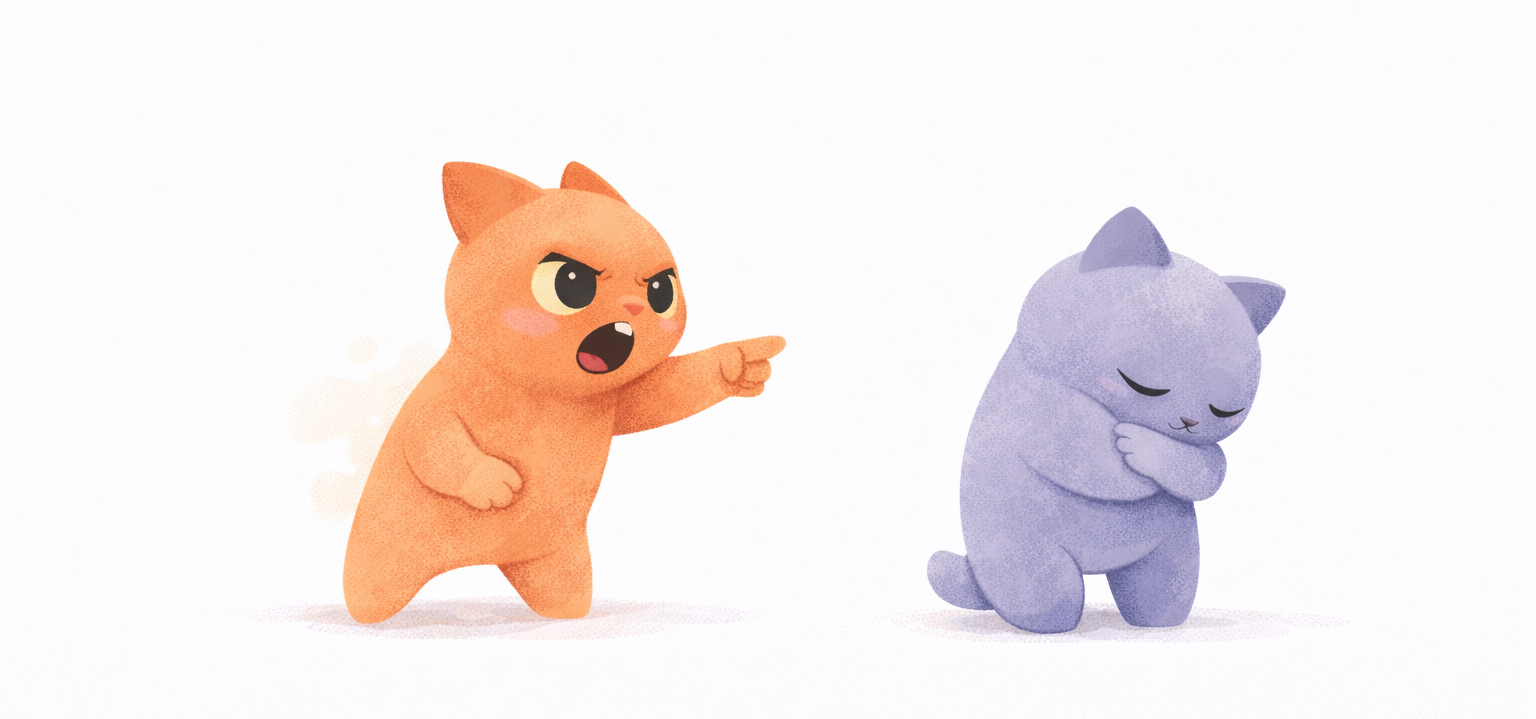
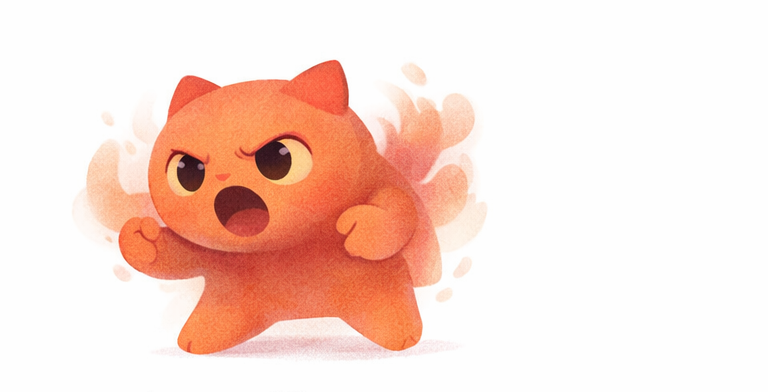
Attachment style split across 36,300 people. Two patterns. Two creatures. One cycle that traps both.
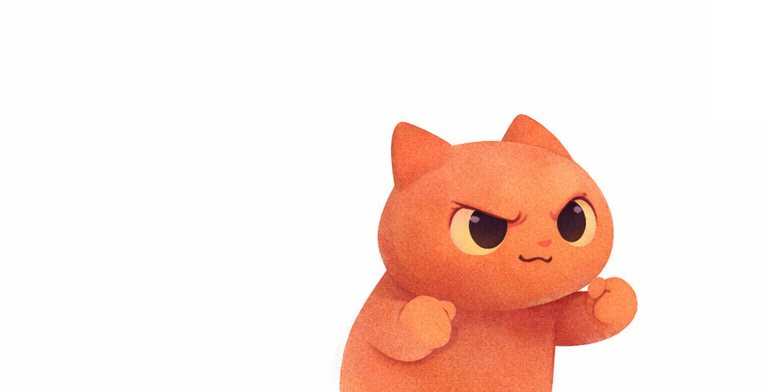

5,365 couples -- both partners completed
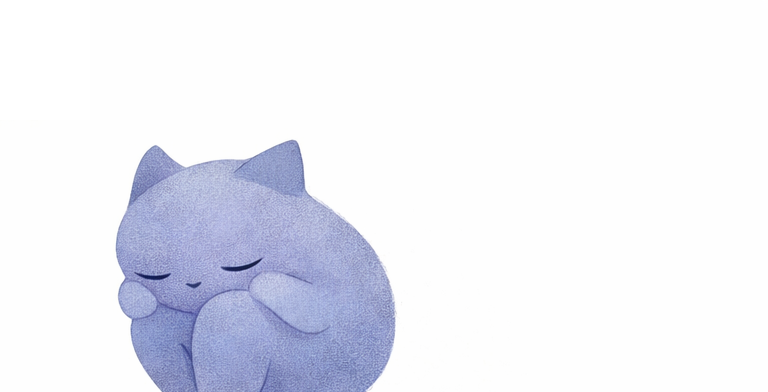
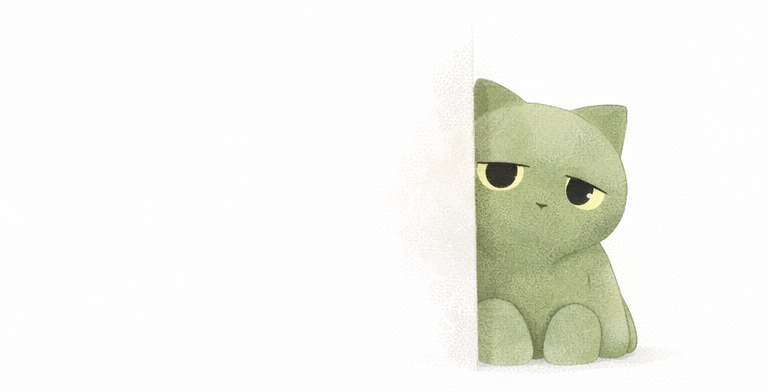
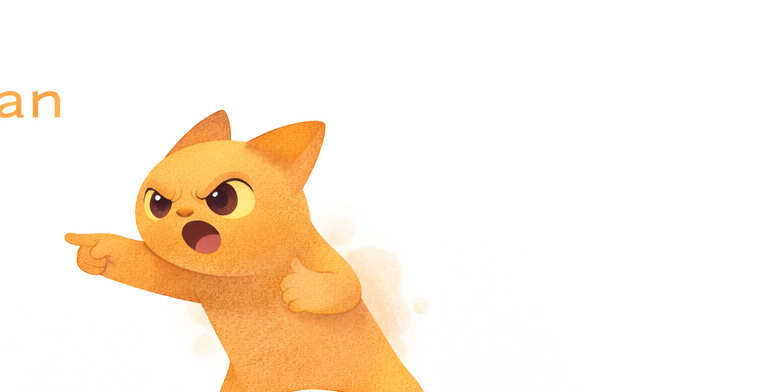
"Both partners in a pursue-withdraw relationship describe their partner as withdrawn. Each person believes the other one is pulling away -- at the same time."
Empathi Research — 41,078 assessmentsThe number one unmet need is not love, not sex. It's being a team.
In stuck moments, what do people wish they felt with their partner? The top answer reveals something profound about modern loneliness inside relationships.
What lives under the anger.
Reactivity is a signal. Under every fight, under every withdrawal, there is a softer truth. We asked what that truth is.
Jo -- pursuing
Pat -- being defensive
 Jo -- reaching vulnerably
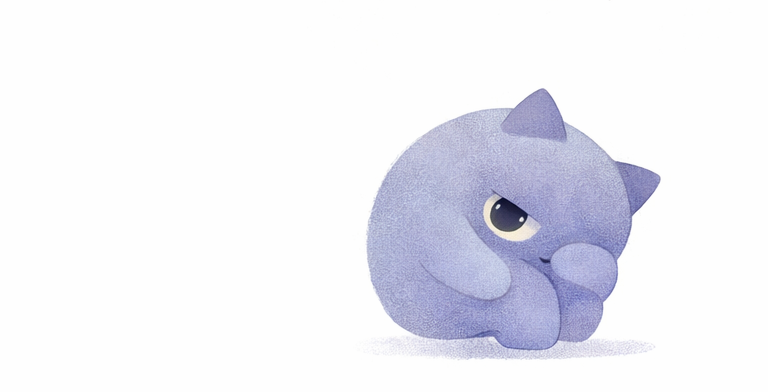 Pat -- opening up
Whether we feel too much or not enough -- the wound is identical.
In the toughest moments of conflict, how do people see themselves? A near-even split -- but both sides carry the same shame.
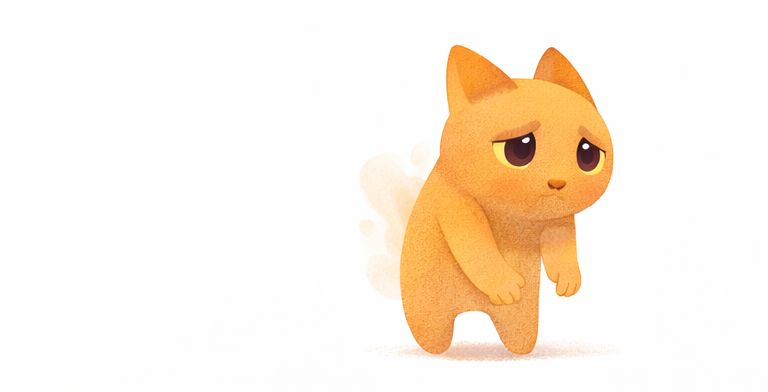
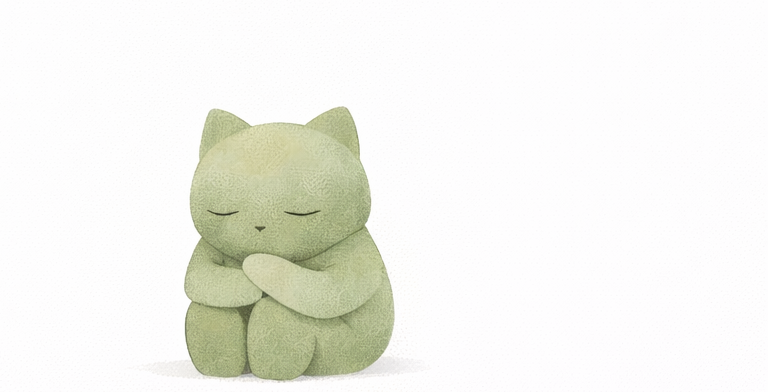
Reactive behaviors -- by attachment type.
Relentless Lovers pursue until they collapse. The data shows that shut down and withdraw are their second and third most common behaviors. What looks like a withdrawer is sometimes a pursuer who has given up.
Relentless Lovers (Pursuers)
Reluctant Lovers (Withdrawers)
"Relentless Lovers pursue until they collapse. Shut down and withdraw are their second and third most common behaviors. What looks like a withdrawer is sometimes a pursuer who has given up."
Figs O'Sullivan, LMFT — EmpathiDiscover Your Pattern
Where do you and your partner fall?
Take the free Figlet Relationship Assessment. Find out if you pursue or withdraw -- and what it means for your relationship.
Take the Free QuizJoin 58,000+ people who have already discovered their pattern.